🚚 Free Worldwide Shipping on All Orders!Shop Now


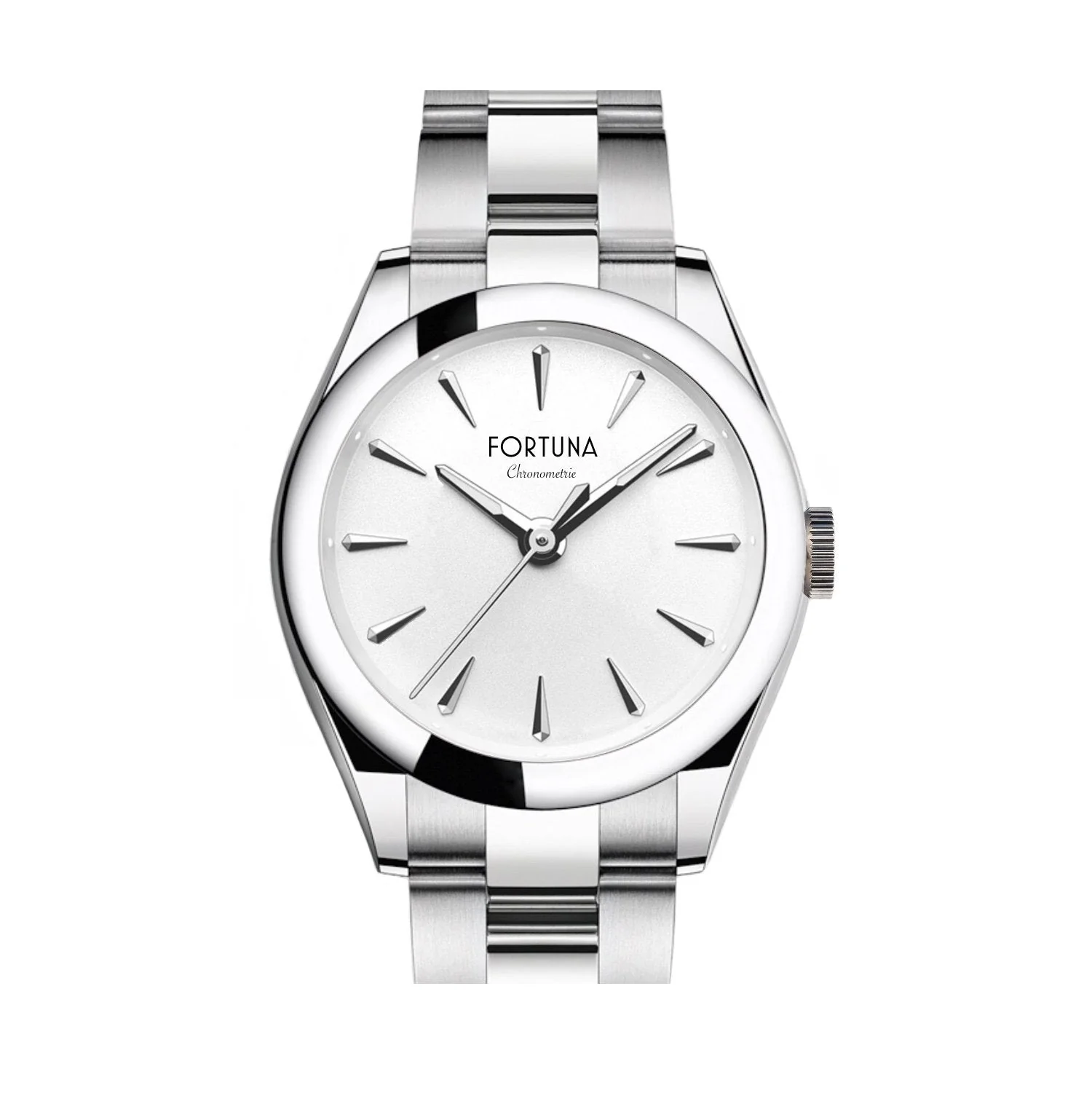
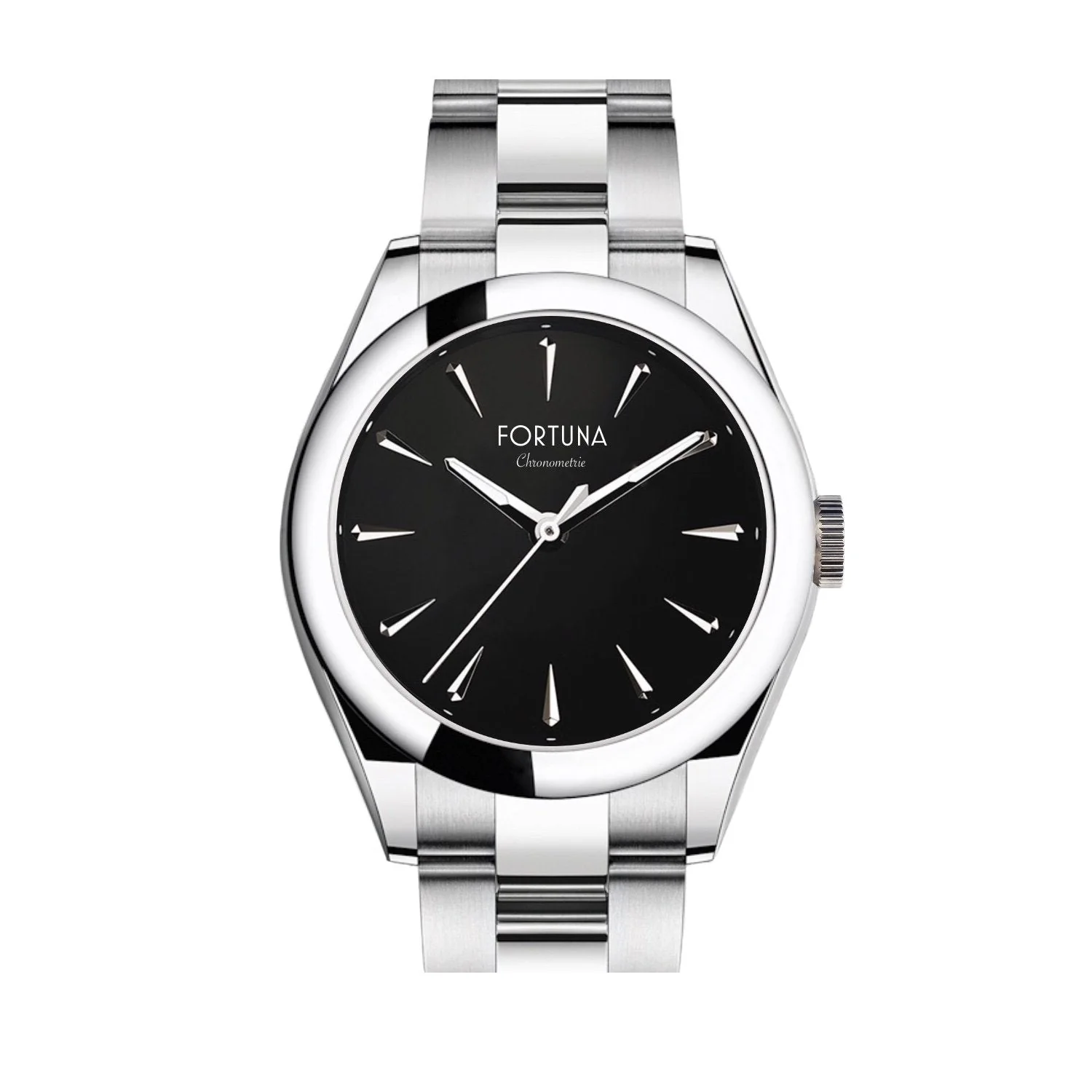
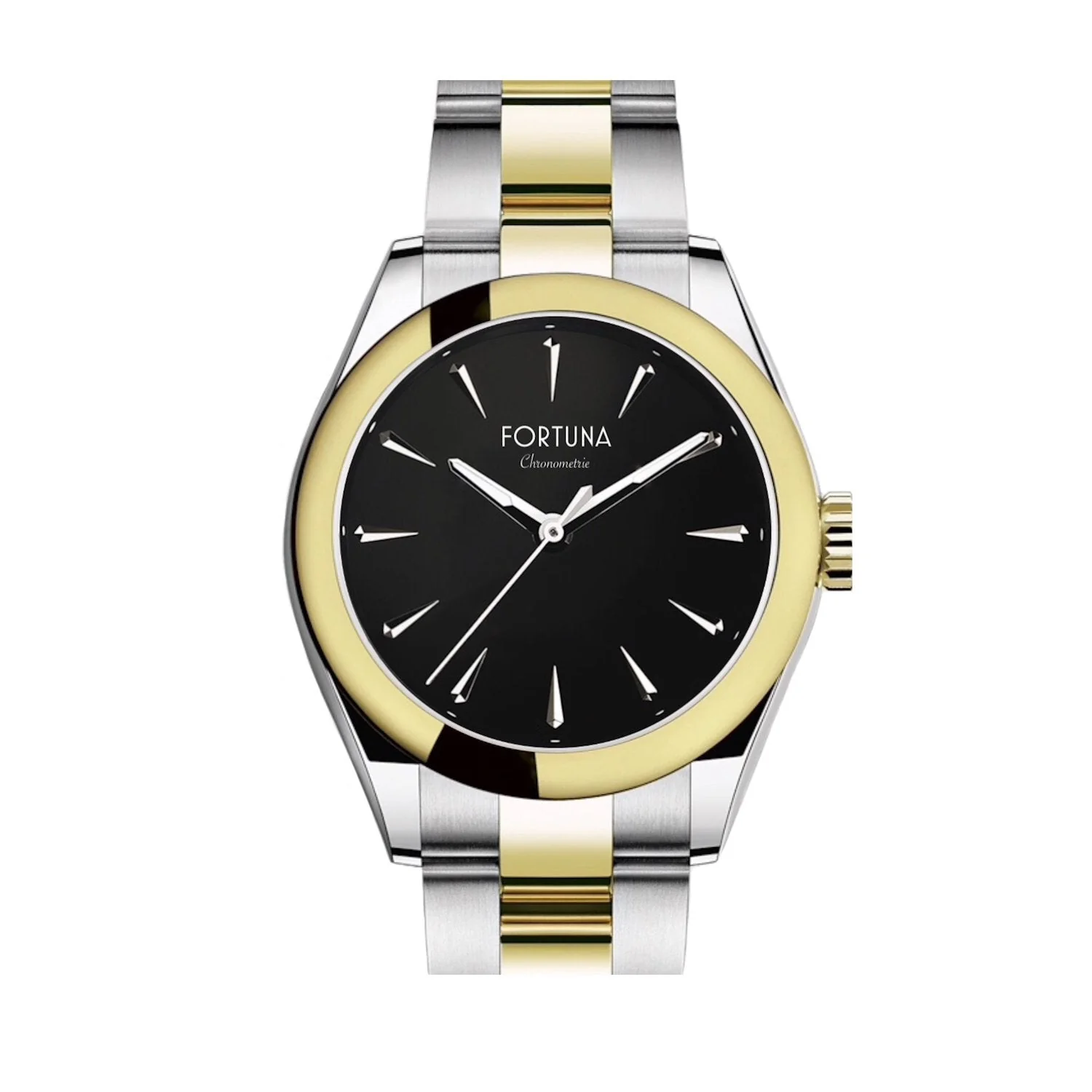
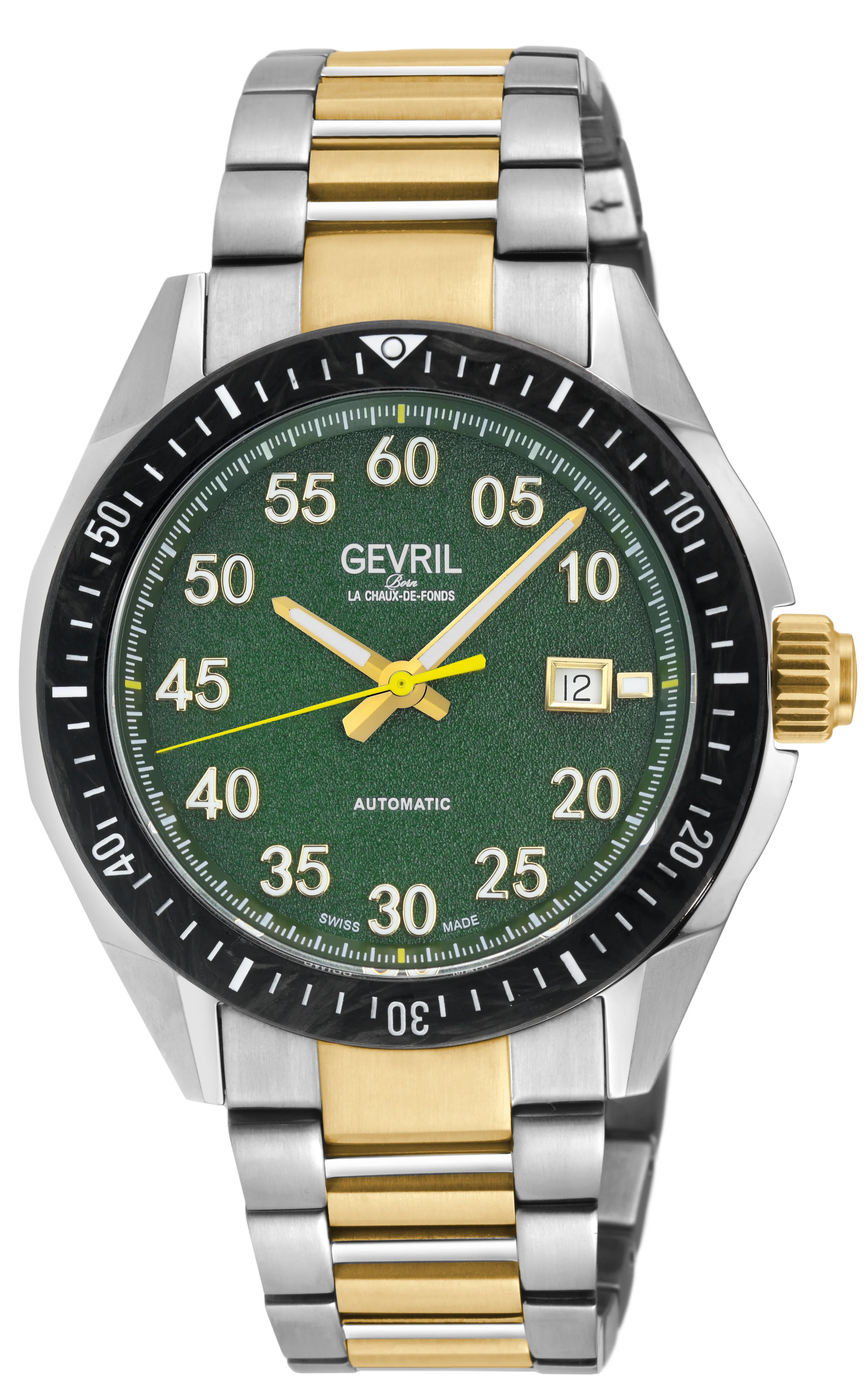
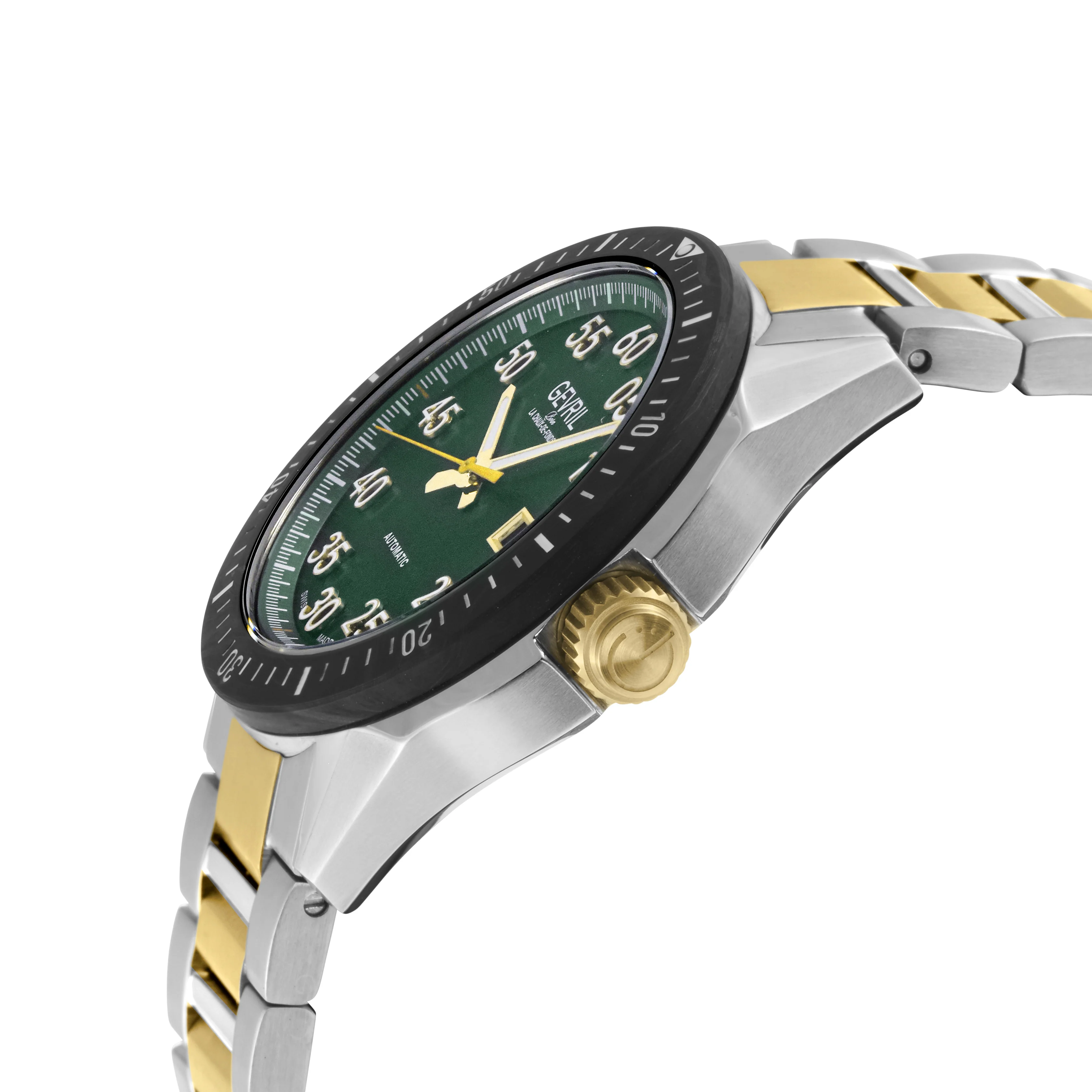
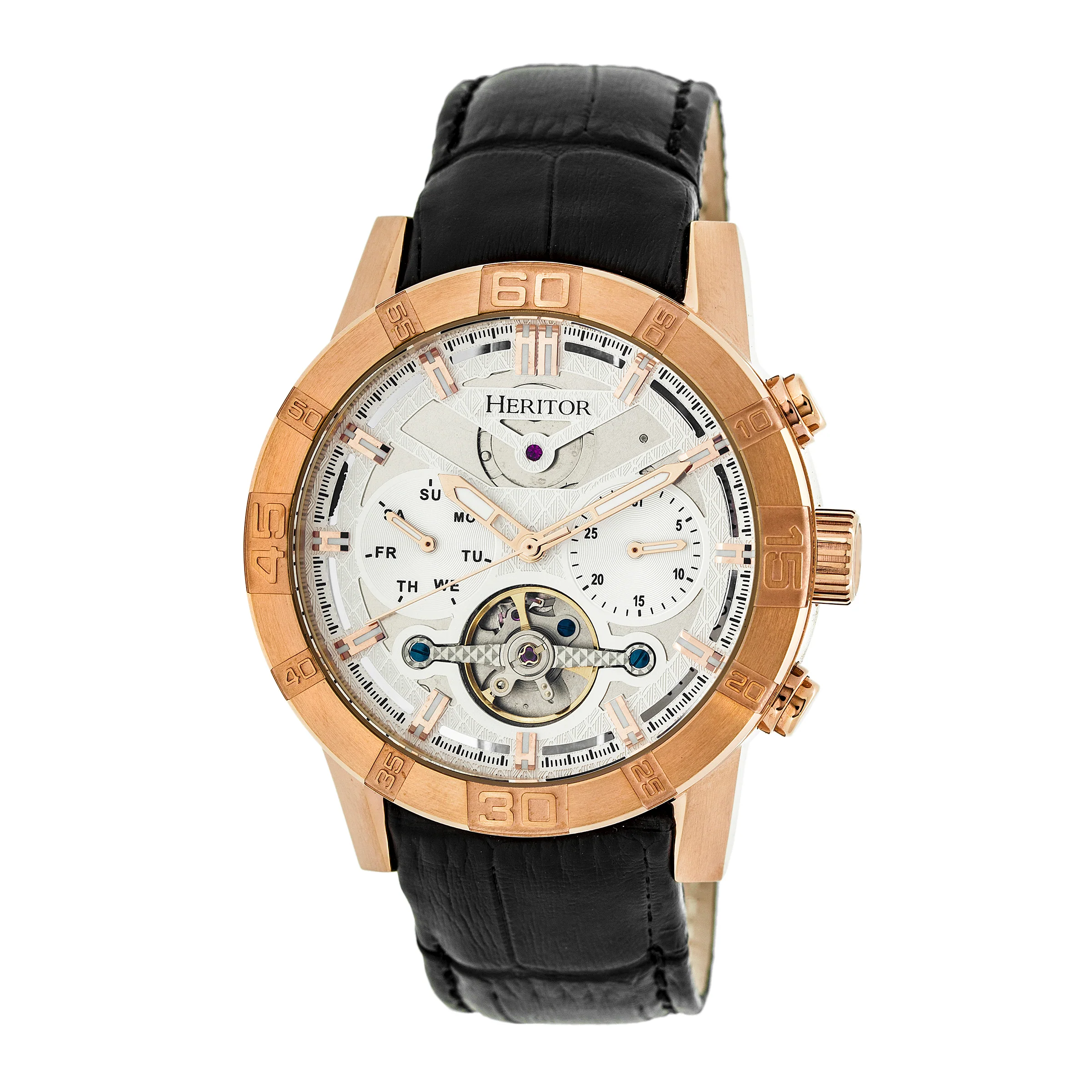
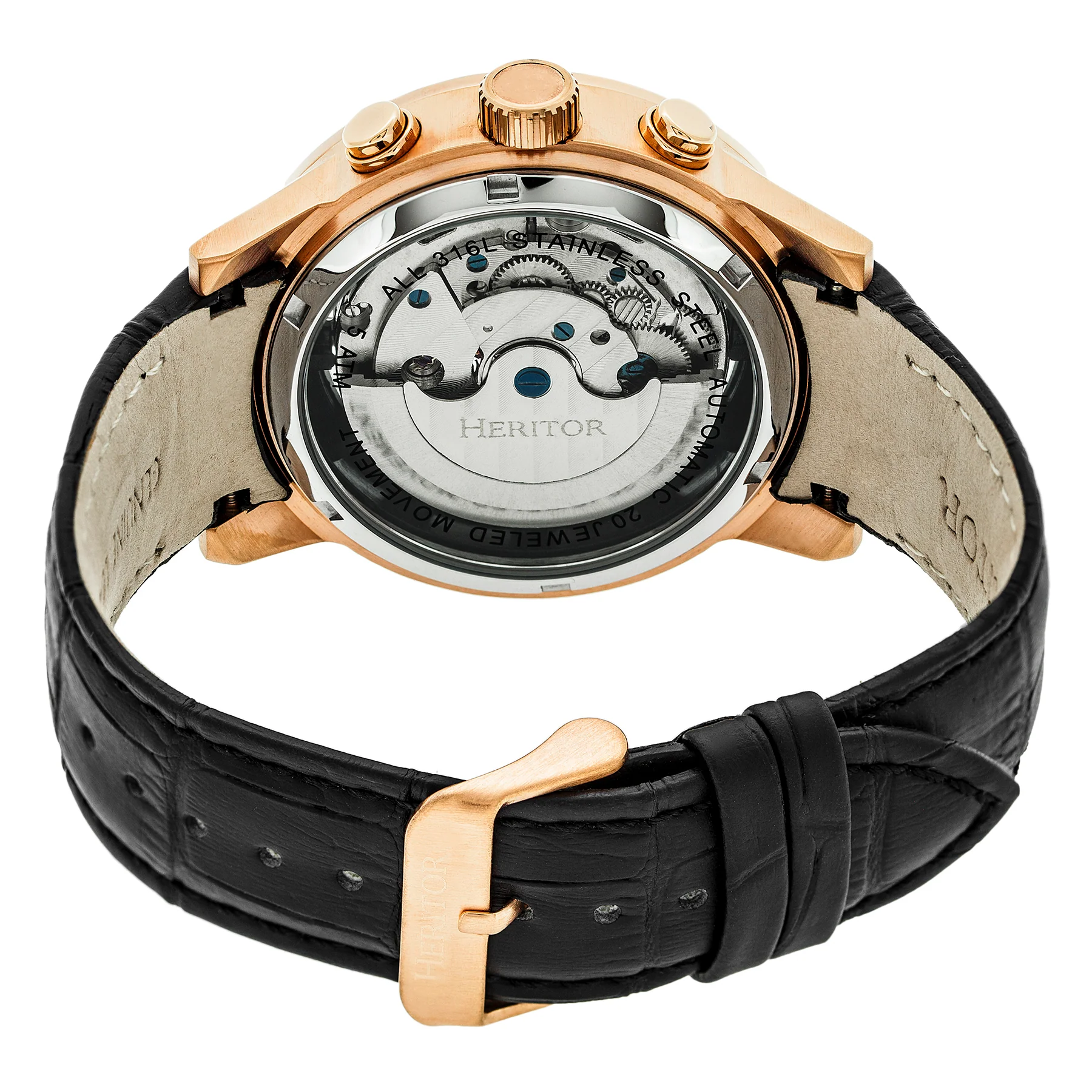
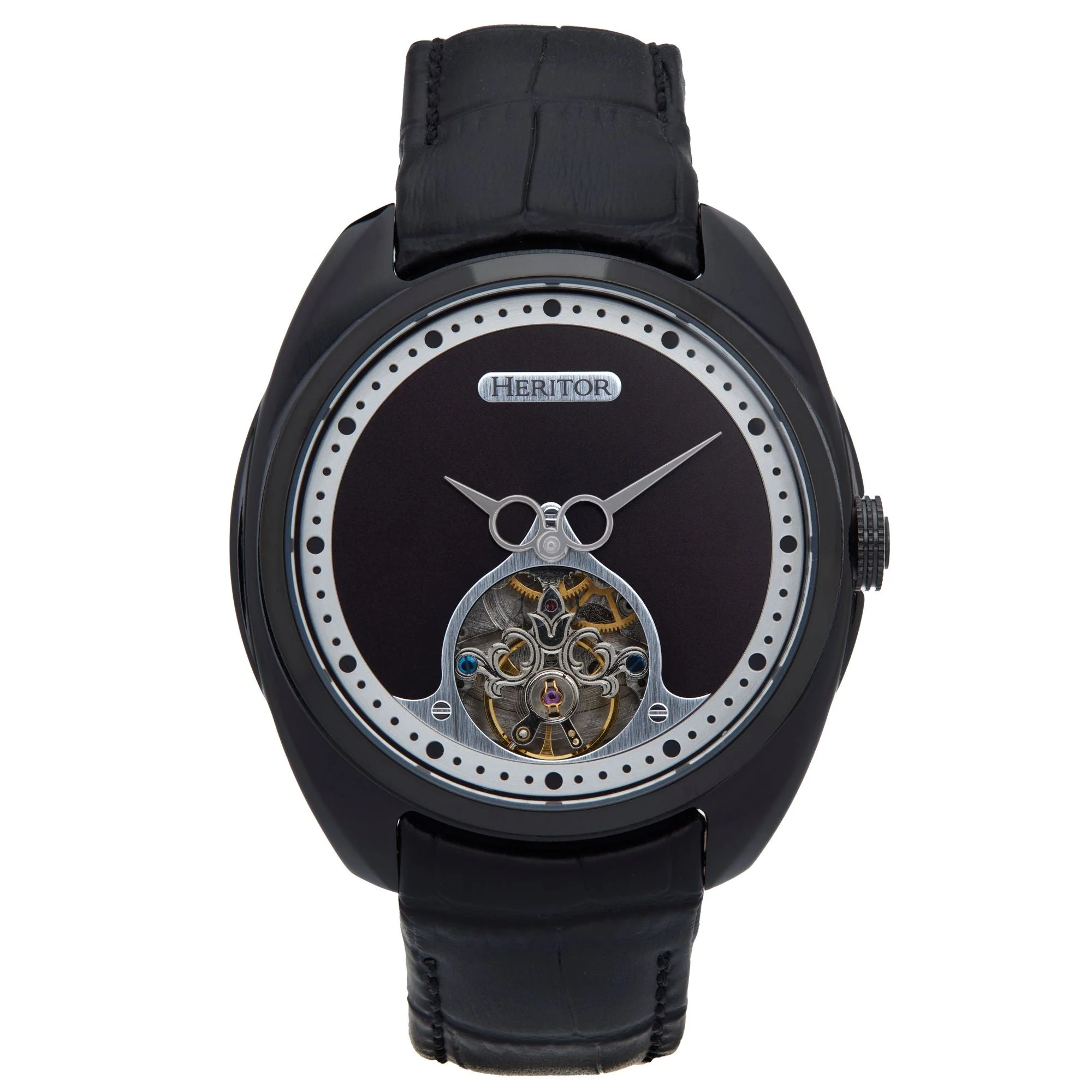
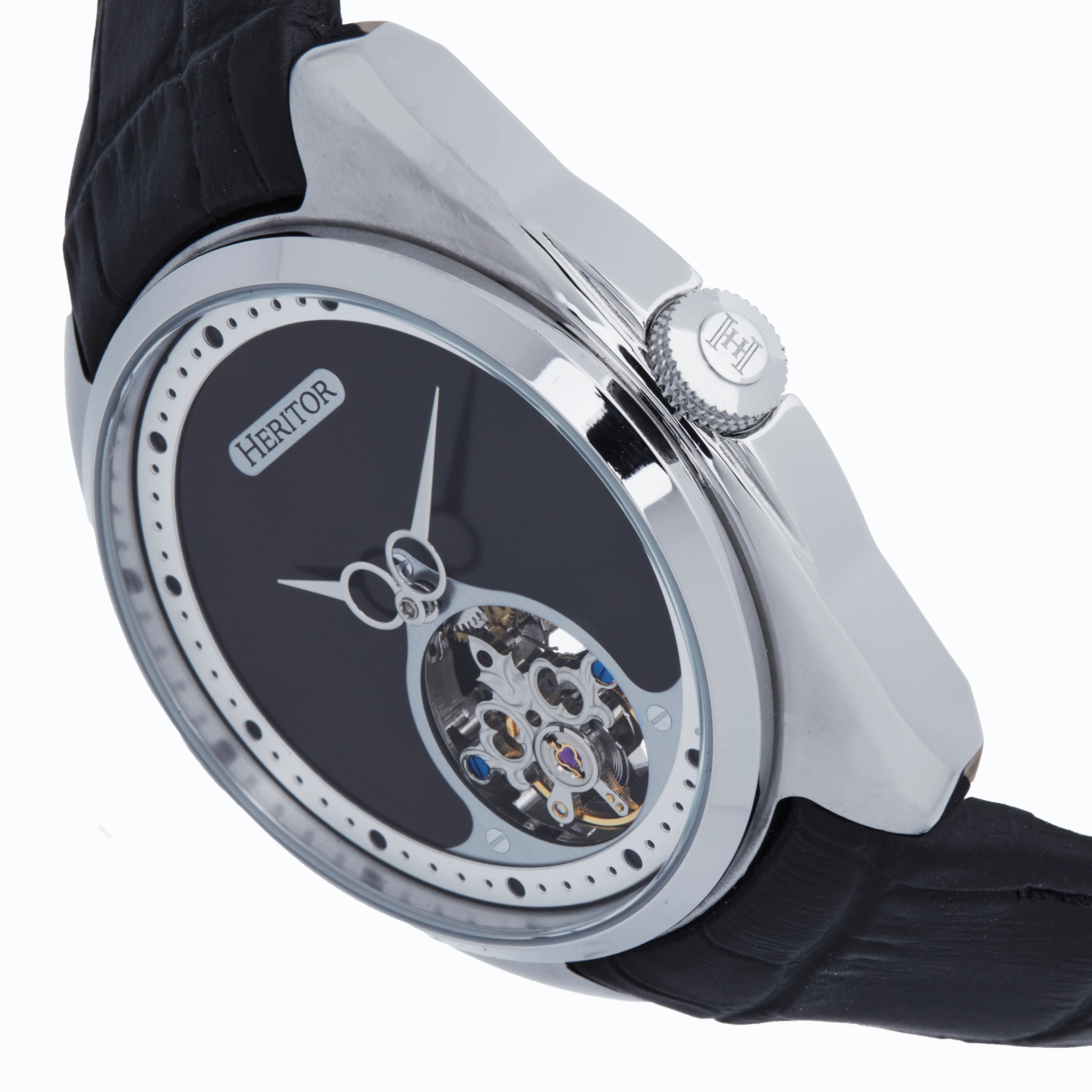
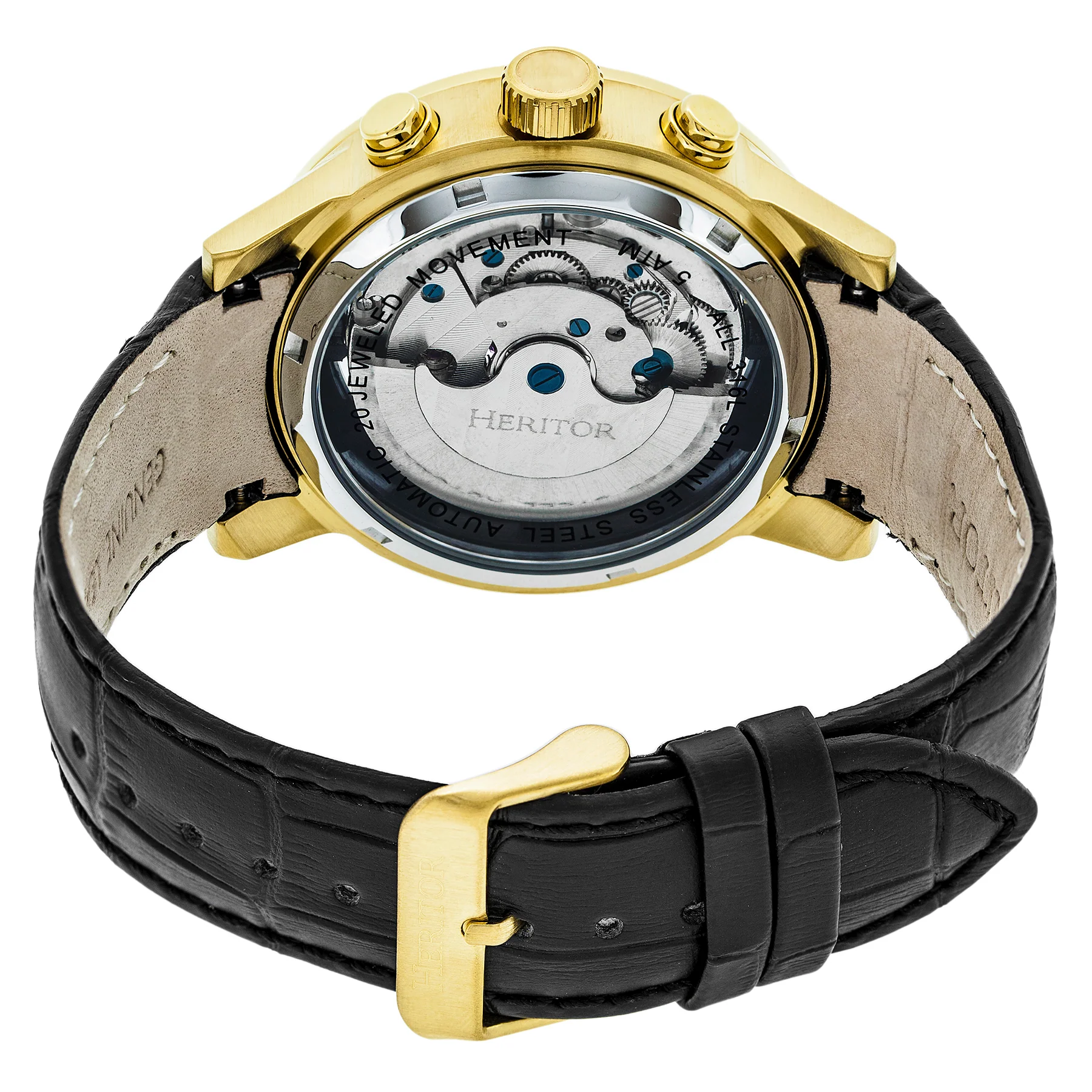
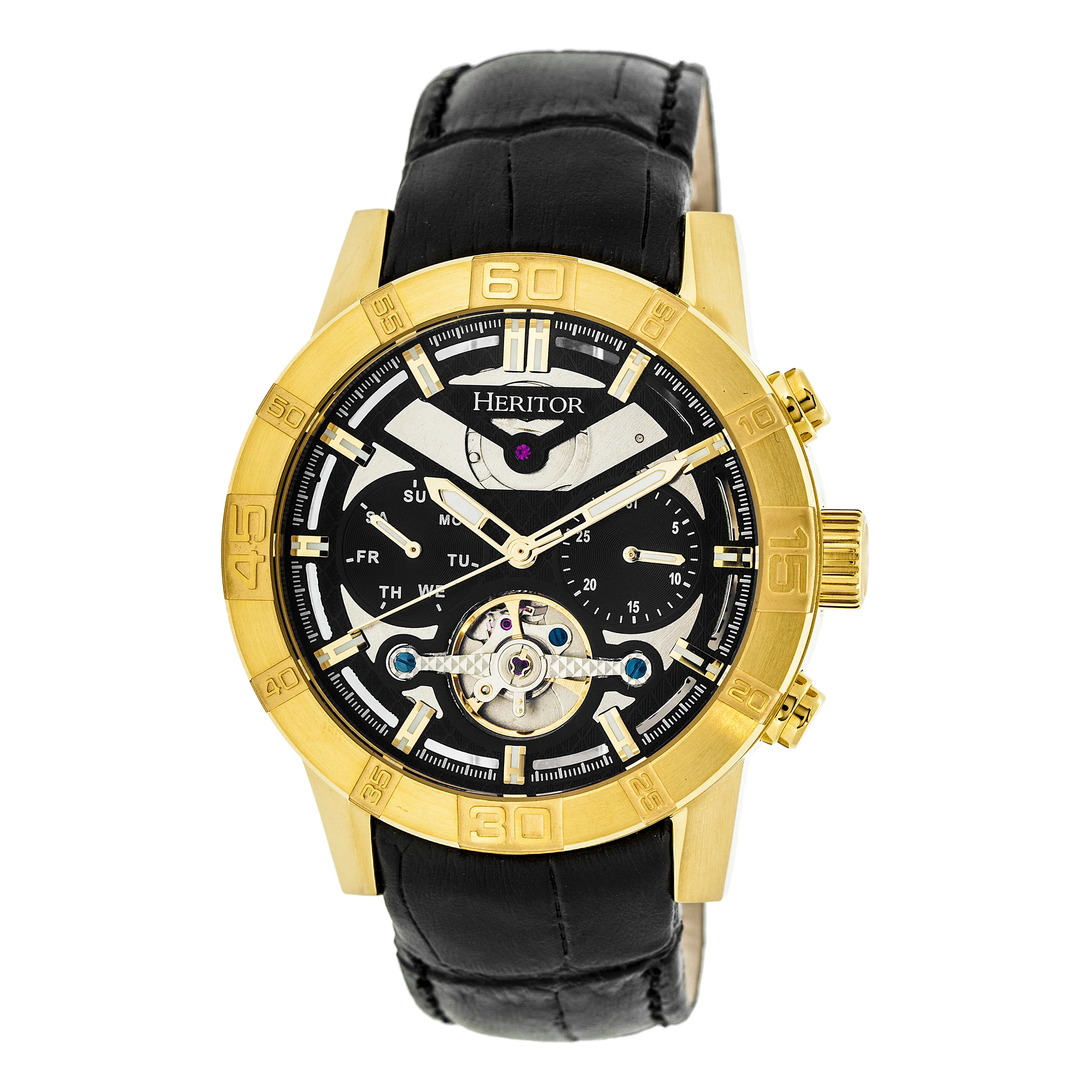
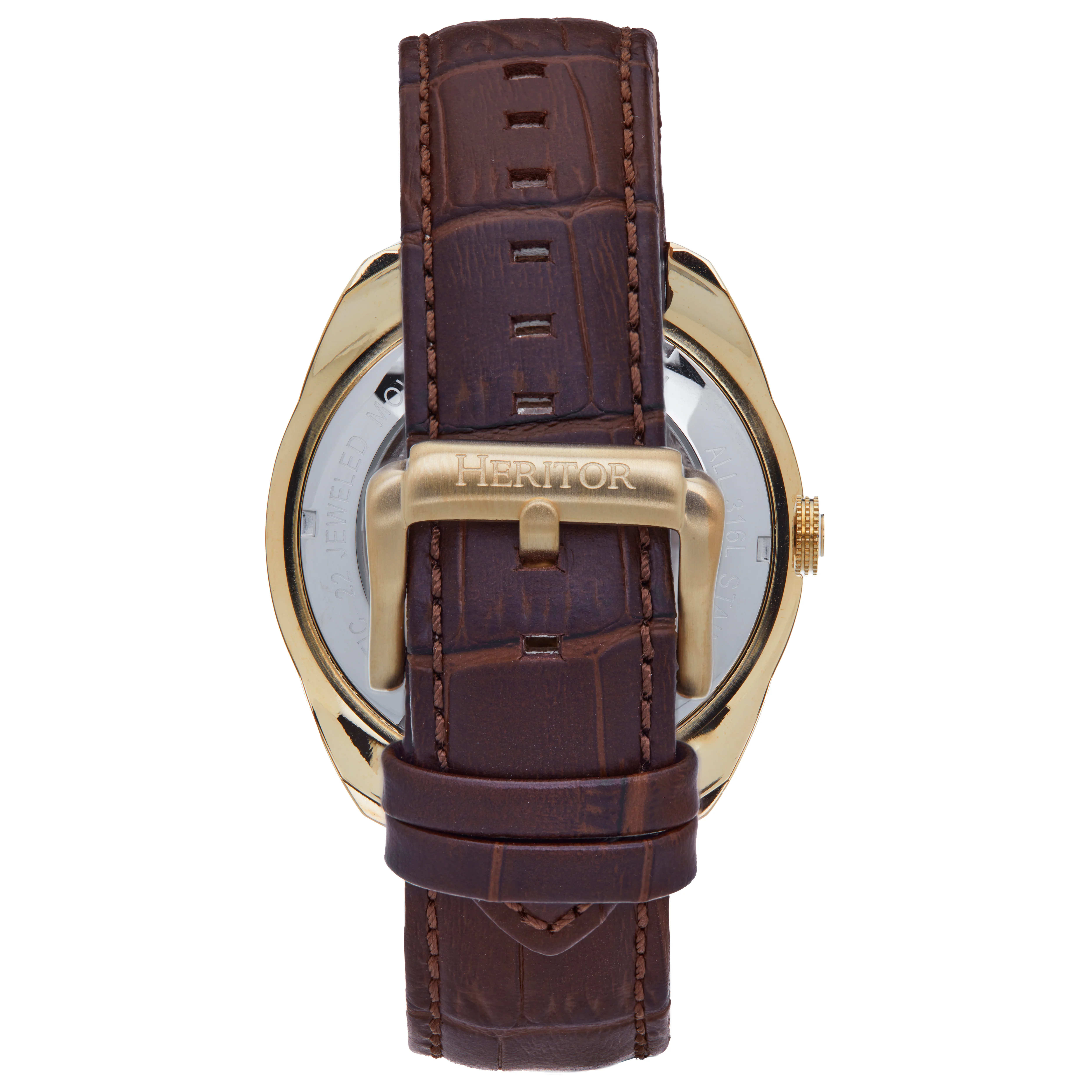
Proton Automatic Silver / Blue Dial | Blue Dial
The first Proton rocket was launched in 1965. Modern versions of the launch system are still in use as of 2021, making it one of the most successful heavy boosters in the history of spaceflight. As with many Soviet rockets, the names of recurring payloads became associated with the launch vehicle itself. The moniker "Proton" originates from a series of similarly named scientific satellites, which were among the rocket's first payloads. Proton launched the Salyut space stations, the Mir core segment and expansion modules, and both the Zarya and Zvezda modules of the ISS in the post Soviet era.
$72.00
Original: $239.99
-70%Proton Automatic Silver / Blue Dial | Blue Dial—
$239.99
$72.00More Images


Proton Automatic Silver / Blue Dial | Blue Dial
The first Proton rocket was launched in 1965. Modern versions of the launch system are still in use as of 2021, making it one of the most successful heavy boosters in the history of spaceflight. As with many Soviet rockets, the names of recurring payloads became associated with the launch vehicle itself. The moniker "Proton" originates from a series of similarly named scientific satellites, which were among the rocket's first payloads. Proton launched the Salyut space stations, the Mir core segment and expansion modules, and both the Zarya and Zvezda modules of the ISS in the post Soviet era.
Product Information
Product Information
Shipping & Returns
Shipping & Returns
Description
The first Proton rocket was launched in 1965. Modern versions of the launch system are still in use as of 2021, making it one of the most successful heavy boosters in the history of spaceflight. As with many Soviet rockets, the names of recurring payloads became associated with the launch vehicle itself. The moniker "Proton" originates from a series of similarly named scientific satellites, which were among the rocket's first payloads. Proton launched the Salyut space stations, the Mir core segment and expansion modules, and both the Zarya and Zvezda modules of the ISS in the post Soviet era.